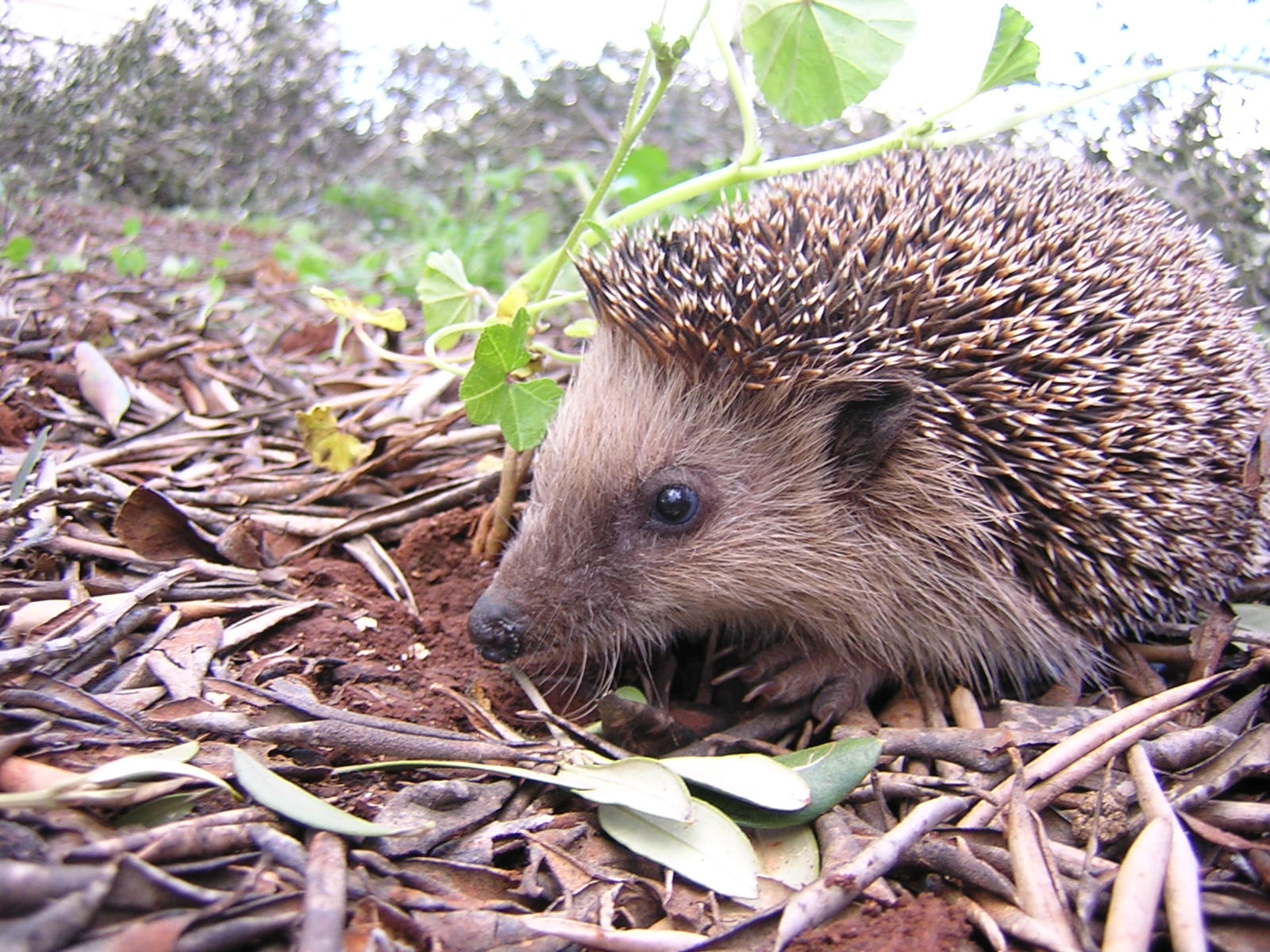



West Dorset could see the return of the controversial badger cull that ended in January 2015, with the government receiving 29 Applications to shoot badgers so far.
In the last cull, a total of 756 badgers were shot across Dorset in areas of highest infection. The badgers are being culled in an attempt to reduce infection rates of Bovine Tuberculosis in British cattle herds. Bovine TB costs the UK £1 billion per year, with 278,000 cattle being slaughtered due to the disease since 2008.
Dorset farmers have reacted with relief at the government’s plans to continue culling into 2016.
“Any action taken by the government on this is far better than doing nothing,”says parish councillor and dairy farmer Fred Horsington, “I’ve had a closed herd for 40 years and yet I’ve still been under movement restrictions for five years due to Bovine Tuberculosis. Something needs to be done to stop this disease spreading, it’s destroying herds and ruining livelihoods.”
A spokesperson for Natural England said, “It is our job to administer the government’s response to the spread of Bovine Tuberculosis and so far in 2016, we’ve received 29 applications for culling in areas that average less than one acre. The ‘Opportunity to Comment’ will run for 28 days in all areas affected, giving the public the chance to voice any concerns they may have about the culling.”
However, Elizabeth James of the Dorset Mammal Group believes the cull is entirely unnecessary. She said, “Culling is a waste of time. There has been a lot of research done on this and the effect of culling is negligible where TB is concerned. Culling can cost up to £7,000 per badger and that money would be far better spent on putting a proper programme of vaccination in place.”
Ms James continued, “They don’t test the badgers for TB after shooting them, so there is no way of knowing whether the badgers they cull actually have the disease or not. It’s a pointless exercise.”